
Healthcare
Health Policy Influencer Message Testing

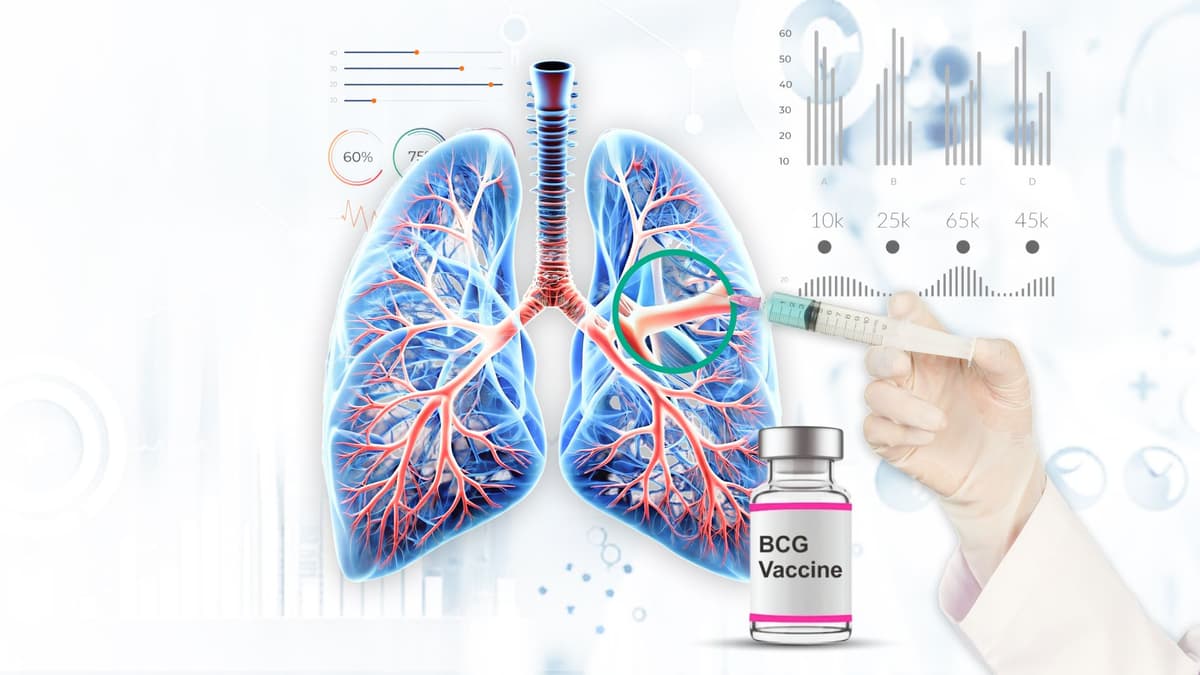
Awareness has been a part of World Tuberculosis Day for decades. However, in 2026, the discussion is different. As the global TB therapeutics market is estimated to reach USD 2.51 billion in 2026, growing at a CAGR of 4.77 percent, it is no longer a fight against a disease, but a complex, technology-driven global health shift we are handling.
At Jasper Colin, our recent engagements in the life sciences industry suggests that the key to eradication is to be found in the intersection of molecular innovation, AI-based diagnostics, and hyper-personalized patient experiences.
IVD Labs to POC
Decentralization of testing is the most important trend in 2026. Conventional sputum smear microscopy is being supplanted by quick molecular diagnostics, which include GeneXpert and next-generation sequencing (NGS).
By 2034, our analysis suggests that the world molecule diagnosis (MDx) market is going to lead due to the impact of the so-called Point-of-Care (PoC) devices that will provide laboratory quality results to the far corners of the globe.
These new tools could be truly transformative for tuberculosis, by bringing fast, accurate diagnosis closer to people, saving lives, curbing transmission and reducing costs.
From our Recent Survey Findings with lab managers across major cities in emerging countries, turnaround time (TAT) surfaced as the biggest operational challenge driving churn.
Through a transition to PoC diagnostics, health systems have decreased the churn of patients by 35 percent, which means that treatment commences the same day as diagnosis.
Radiologist and AI
The concept of Artificial Intelligence (AI) is TB screening is no longer a futuristic concept. The accuracy scores (AUC of 0.99) of AI-powered Computer-Aided Detection (CAD) in detecting lesions at their earliest onset are becoming nearly perfect (better than human radiologists) and, in many cases, outperform them in detecting them during the initial stages.
According to our Tech Adoption Analytics, healthcare leaders have shifted their views on AI integration and believe that it has become a competitive requirement of national health programs (79%). We have discovered that AI geotags new cases in real-time increasing contact tracing efficiency by more than 40 percent faster.
Shorter Regimens and the All-Oral breakthrough
The treatment struggle between 6 to 9 months is now over.
2026 will be when the use of BPaL/BPaLM regimens becomes a common reality, reducing the drug-resistant TB treatment period to a mere six months. This move is the catalyst behind a 12.92 percent CAGR in the advanced drugs such as bedaquiline.
According to our recent Patient-Journey Analysis, the major cause of drug resistance is the presence of fatigue during the treatment. Through Digital Adherence Tools (smart pill packaging), we have assisted pharma partners in realizing 30 percent increase in the recurring yearly revenue due to increased patient retention and effective cure rates.
The World Health Organization (WHO) has identified a severe, "dire" financial situation for 2026. Dr. Tedros Adhanom Ghebreyesus, Director, WHO said global health organization is nearly USD 1.9 billion short from a planned USD 4.2 billion budget for 2026-27, along with a USD 600 million deficit through end-2025.
The USD 1.9 billion gap means that WHO is short, nearly 45 percent of the funding it needs to run even on a reduced budget of USD 4.2 billion that had been planned for the upcoming 2026-2027 budget period.
In addition, over 100 diagnostic products are currently in the pipeline, but their success depends on "investment capacity" and regulatory fast-tracking.
As such, pharma companies, especially those in the "high-risk, high-reward" sectors like infectious diseases, will face a direct threat to their pipelines.
Going Forward
World Tuberculosis Day 2026 has a theme of Yes! We Can End TB: Driving with Innovation.
We are of the opinion at Jasper Colin that innovation can only work as well as the data used to drive it. It could be defining underserved segments of patients in the Asia-Pacific (which controls 47% of the world drug market) or tracking the areas of friction in vendor reviews of new molecular platforms, we can be the one to provide the Insight-to-Action framework that will allow them to lead.
Are you excited to be the first in the next healthcare innovation?
Connect with Jasper Colin to find out what we are doing with our Life Sciences and MedTech research suite and how our data-driven solutions are assisting the world health leaders in transforming commitments to cures.
Health Policy Influencer Message Testing

Engaging Radiation Oncology Stakeholders for development of next-gen analytics platform

Contracting and Evaluation of Digital Pathology Solutions

Evaluating Cardiovascular IT (CVIT) Solutions in Healthcare Facilities