
Technology
Unlocking the Enterprise Buyer


Change is no longer just a headline; it is in the operating environment. Markets are evolving overnight, technology is redrawing competitive boundaries every second, and workforce dynamics are shifting without warning. And yet, amid this disruption, the most dangerous thing businesses can do is trust any accessible information as intelligence.
In an AI-first world, we live in an environment where answers are everywhere, data is flowing, and AI can synthesize patterns faster than ever. Speed isn’t a real challenge anymore; the new risk is the illusion of certainty. When everything looks like a piece of information, it becomes harder to trust whether it’s actually an insight or yet another bluff.
This is where most research begins to break down when it fails to inform that not every output or dataset is an intelligent insight.
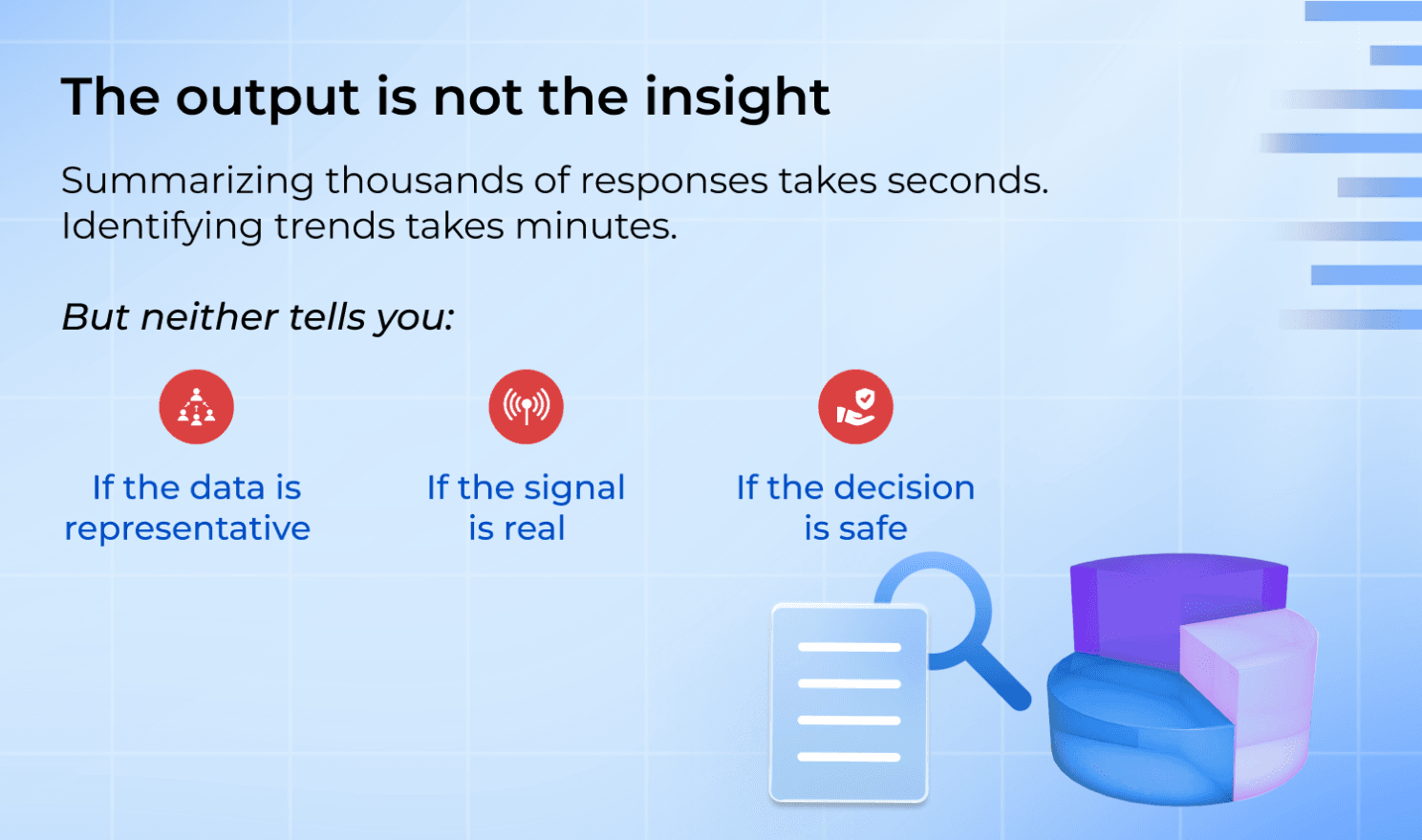 On the surface, information can look compelling with sharp visuals, clean data, and strong recommendations, but what sits beneath often goes unexamined. Is the recommendation reflecting real behavior? Was it the sample representative of the population? Did the design introduce subtle bias?
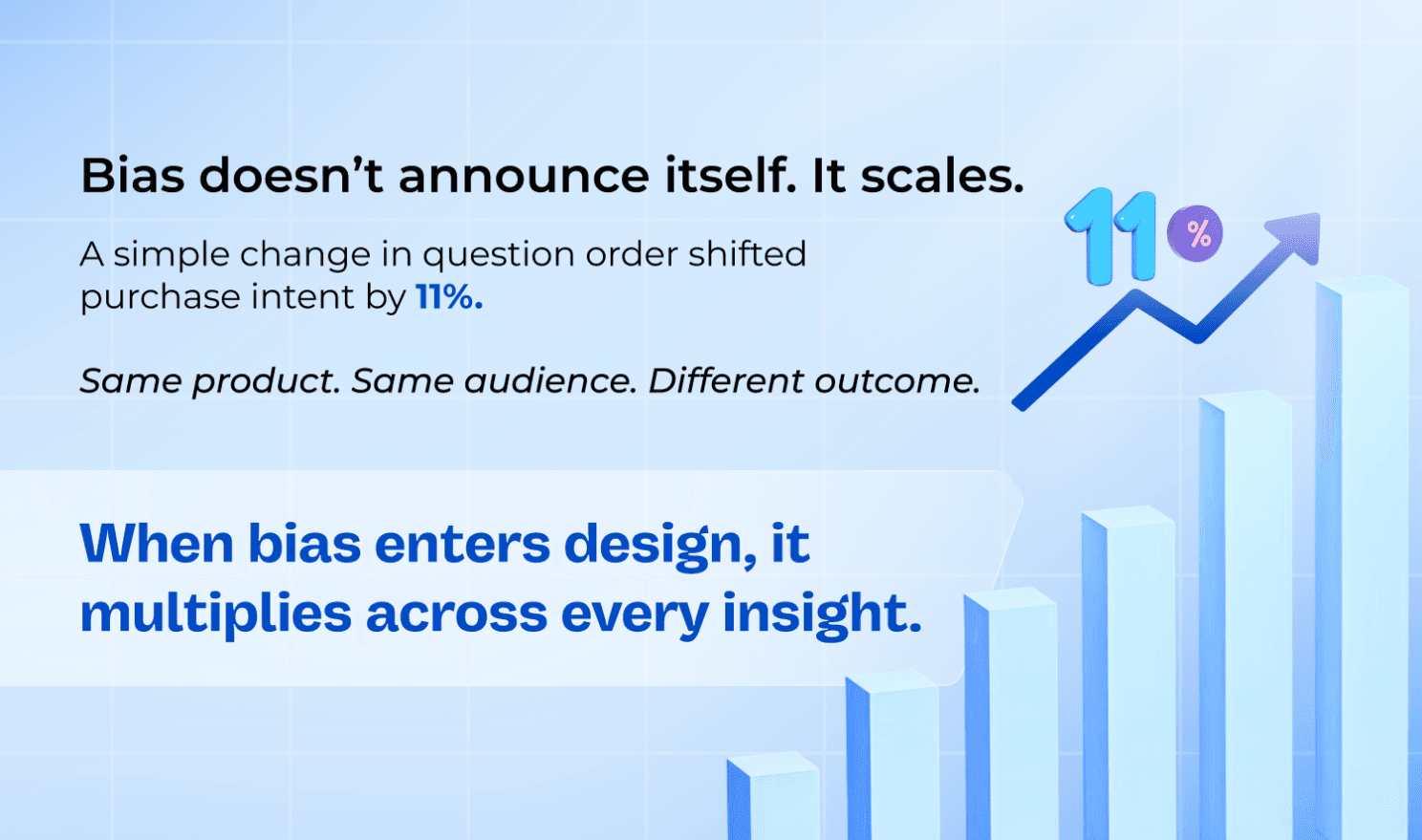
We have seen instances when strong pre-launch signals translated into weak market performance trends. Not because the data was flawed, but because the foundation was. It has been noticed that if the research design misses a nuance, the output misrepresents the decisions that cost real-time. Even the smallest research variables can reshape insights. A shift in how we frame the question, or how we sequence them, can alter outcomes materially. These are not visible errors; they scale quietly, downstreaming every recommendation.
This is the confidence gap modern organizations are navigating. Not a lack of data, but a lack of assurance in what that data truly represents.
At Jasper Colin, the focus is not only on producing insights at speed but on making every insight produced defensible. That means grounding every study in real respondents, applying rigorous methodological discipline, and pressure-testing findings before they inform decisions.
We abide by a simple truth that technology can amplify the speed at which analysis is run, but cannot replace human judgment. We ensure to interrogate every data point to identify bias and understand the context before interpreting the meaning.
Ultimately, in a world that rewards speed, credibility has become the true differentiator, ensuring that the research delivered can be acted upon with confidence. And the organizations that move ahead won’t be the ones with the most answers, but the ones who know which answers to trust.
Unlocking the Enterprise Buyer

Understanding Market Positioning in a Competitive Crypto Infrastructure Landscape

The Intersection of IoT and Cybersecurity

ERP Adoption in Germany