Construction
Why Construction Projects Miss Their Start Dates?

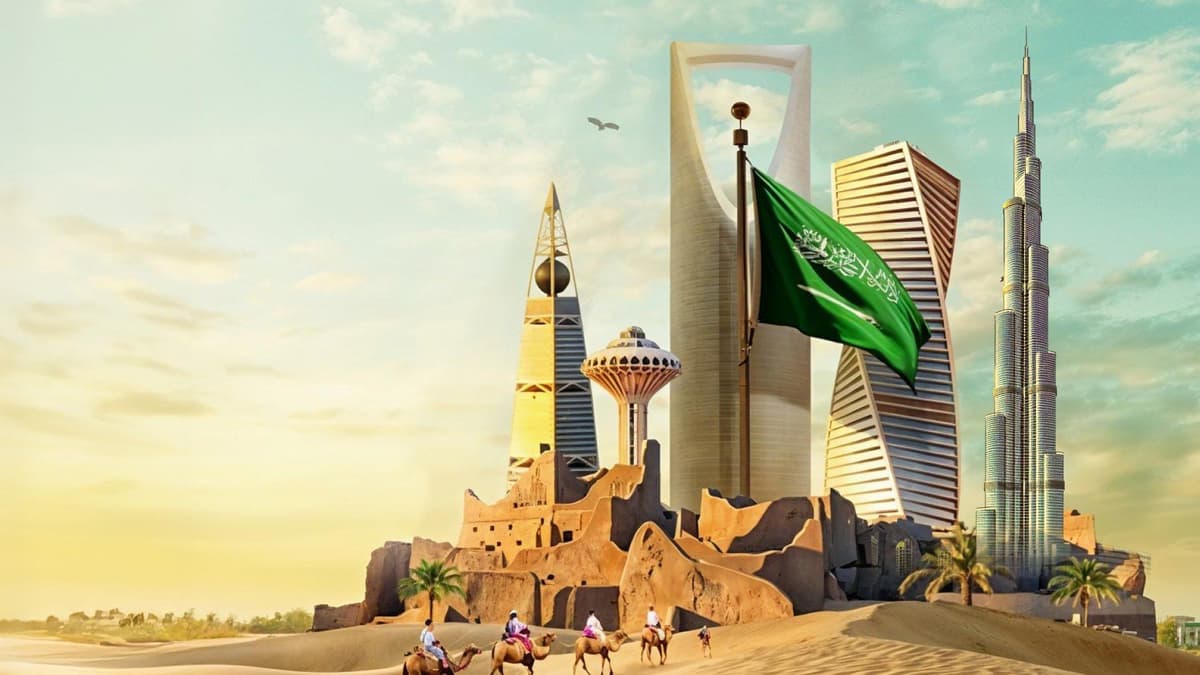
Imagine, you have just invested millions (or, to be more accurate, perhaps billions) into turning Vision 2030 of Saudi Arabia or the tourism plan of the UAE into the best thing since sliced bread. New luxury resorts are springing, futuristic cities are being developed overnight, and real estate markets are on fire. The strategy is established, the vision is evident, and the force is powerful.
Then, boom! There is a geopolitical crisis, everything is a bit wrong all the sudden. The travel plans are being second-guessed, the investors are cold-shoeing, and the vision of the world luxury playground is apparently on its knees.
So now what?
How do the governments and firms in the Middle East re-strategize their grand strategies in a world that is in turmoil? And what does all this do to the research on which they drew past decisions?
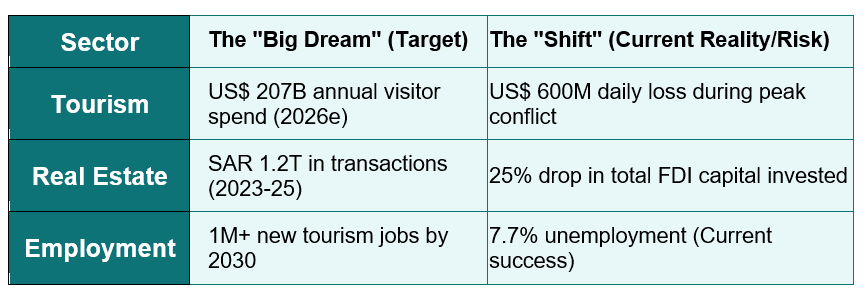
1. Tourism: From Desert Ski Resorts to Crisis Management?
You have heard it all - Trojena (Saudi desert ski resort), Mega resorts in Dubai, luxury tourism in Qatar, the Middle East was strongly headed to be the destination of high-end travelers. The marketing campaigns were colossal, the infrastructure was international and the world focused on them. All was to be record breaking.
But now? The region is variously shaking from the current regional conflict between the US-Israel and Iran.
So, what do you do when tourists suddenly start thinking about booking those expensive flights? When the global audience starts questioning if it’s safe to visit?
Here’s the burning question: How do you change the narrative and rebuild trust without losing sight of the big tourism dream?
2. Real Estate: From Glitz to Pragmatism
Now, on to real estate, things here, too, are not going so well. Saudi Arabia, UAE, and Qatar are dumping billions of dollars on mega-projects: high-end towers, smart cities, and communities of the future, which are expected to attract the rich international investor. It was so easy: construct the grandiose, draw the large securities, and enjoy the fruits.
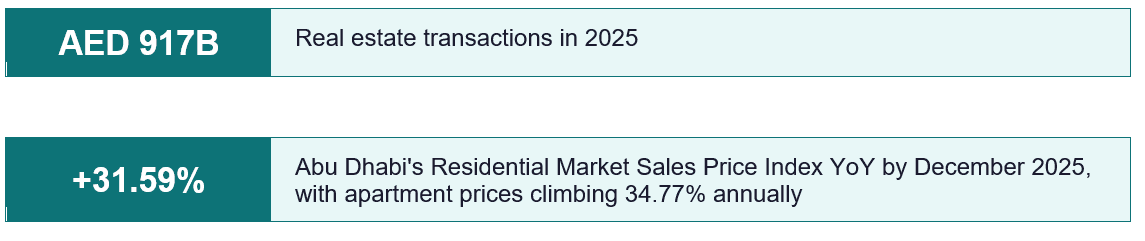
But with all the instability in the world, not to mention what’s happening to the price of oil over there and elsewhere and an ongoing war migh be at a point where those investment strategies should be reassessed?
3. Job Creation: The Big Dream vs. Real-World Reality
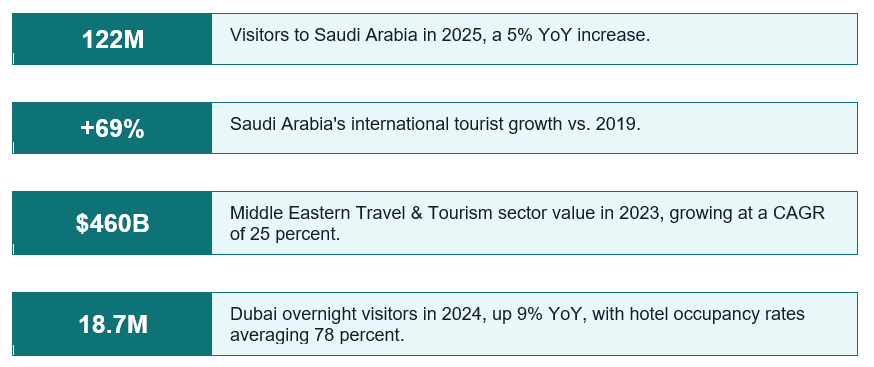
One of the most important objective of Vision 2030 was to establish millions of jobs in sectors such as tourism, technology, renewable, and others. Upskilling and the development of future-ready workforce have received a lot of attention. Advances in this area have been remarkable:
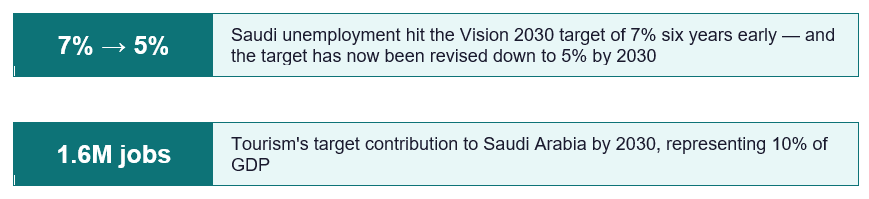
But in the face of instability in the world economy and investor jitters caused by the conflict, how are we supposed to reach those ambitious job creation targets?
The actual dilemma lies in: How do you make jobs work when investors are jittery and the economy is changing faster than anyone can imagine?
4. The Pivot of the Research: Living in the New Reality Lighting Fast
This is the ugly reality: where there is uncertainty in the geopolitical environment, the research which was playing the role in making predictions and enabling long-term planning has to be rewritten, changed, and accelerated.
The past research models that focused on the long-term growth ought to shift to short-term and practical information. Real-time consumer analysis, social media sentiment, and economic projections will be at the forefront.
What’s the focus?
Adapting to the new playbook is necessary, and quick adjustment to new realities needs to occur as opposed to being stuck to the previous playbook. The region needs real-time feedback, actionable information, and quick decision making. This might not be cut by conventional methods. It has been proved in history that it only takes two months after security incidents happen to the tourism world to get back on track when governments and the industry respond swiftly with the necessary assistance and positive communication.
The Road Ahead
The grand visions of the future in the Middle East are not lost, but it is merely taking a different course. With US$207 billion in pre-conflict visitor spending being lost each day and real estate momentum being challenged, the necessity of fast and nimble real-time research will be paramount in the region than ever before due to the new geopolitical realities. It is time to be prepared to be more sustainable, locally resilient, and marketable.
The world is evolving at an elevated pace and companies must evolve quickly. How will tourism recover? How will real estate adapt? How will it be possible to create jobs in an unpredictable world?
At Jasper Colin, we have worked extensively in the Middle East region, conducting primary research studies for businesses and government agencies in sectors like tourism, employment, and real estate investment. Our insights have informed the development of key FII strategies, destination marketing, and job creation initiatives.
All the questions can be answered through data, and real-time insights are the most important to handle this new world. The pivot is not only about survival but also thriving in the world of change. Now, it is time to get those insights, make those moves, and surf the change.
Why Construction Projects Miss Their Start Dates?
Strengthening Brand Positioning in the Construction & Real Estate Development Industry
Strengthening Brand in Construction Materials Across North America

Window & Door Brand Preferences Among Construction Dealers