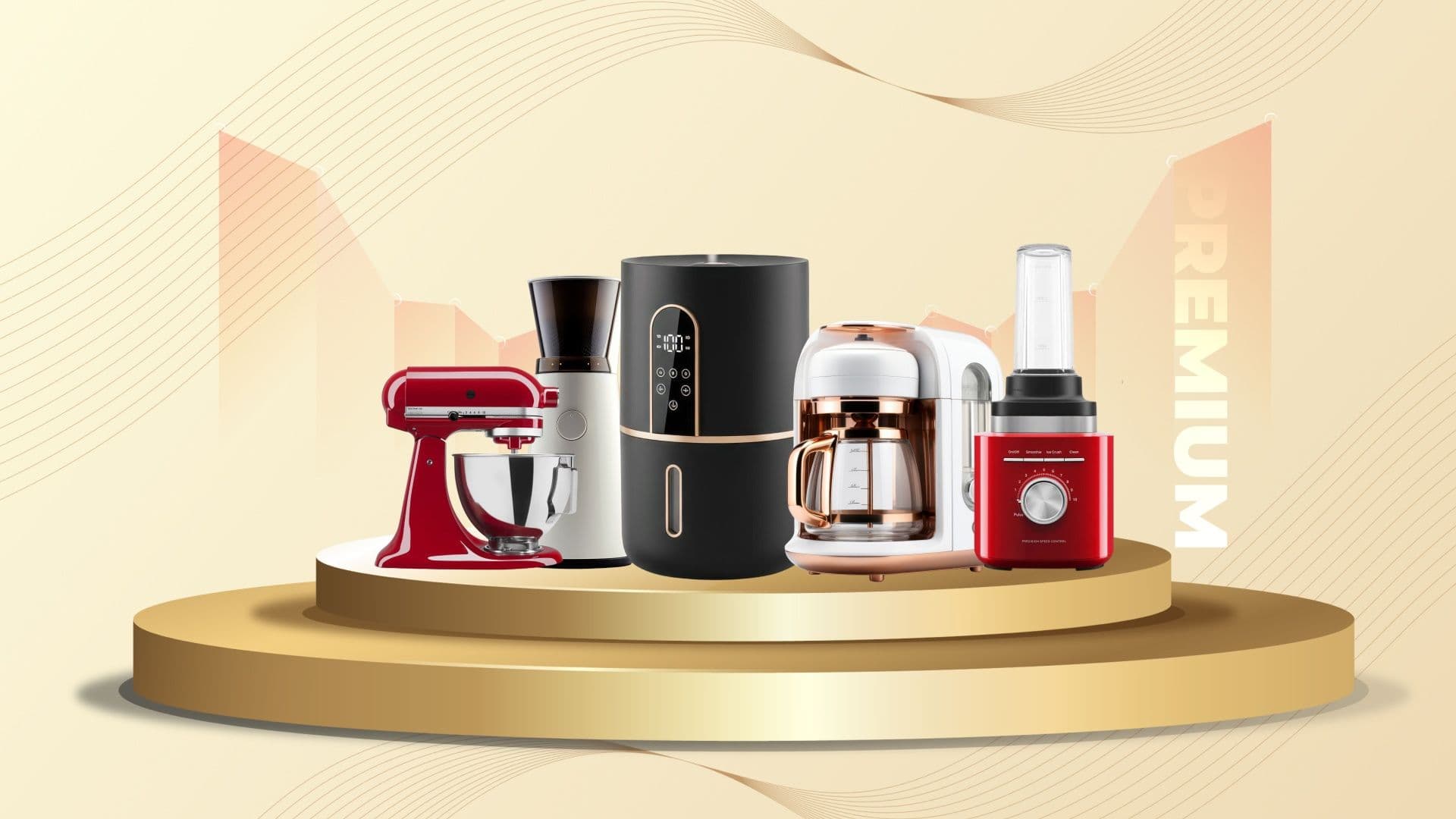
Retail & CPG
From Product Performance to Premium Desire


Most CX dashboards measure satisfaction.
Very few measure hesitation.
In B2B, we often see this pattern:
And yet…Win-rates soften. Discounting increases. Competitor evaluation quietly expands.
Satisfaction is intact. Certainty is not.
Here’s the structural issue:
Satisfaction is an attitudinal metric. Switching is a trade-off decision.
And trade-offs rarely show up in rating scales.
In B2B markets, hesitation typically surfaces during:
No one reports being “dissatisfied.” But the evaluation set expands.
Traditional CX asks:
“How are we doing?”
Strategic research asks:
“What would make you reconsider?”
“What price increase becomes difficult to justify?”
“Which feature drives real preference- and which just adds noise?”
That’s where decision risk becomes measurable.
At Jasper Colin, we design for decision modeling, not just sentiment tracking.
Our methodology integrates:
Because preference ≠ choice.
When you model hesitation, you can simulate:
That shifts the conversation from reporting to forecasting.
In mature B2B categories, growth rarely comes from fixing dissatisfaction.
It comes from reducing uncertainty at the decision point.
Hesitation is not emotional. It is structural.
And it is measurable- if you build the right architecture.
The gap between “satisfied” and “switching”
is where strategic advantage lives.
If your insight system only tracks experience,
you’re observing sentiment.
Jasper Colin helps model decisions.
From Product Performance to Premium Desire

White Space Exploration: Unlocking the Next Frontier of Growth in Emerging U.S. Consumer Markets

Understanding 2025 Corporate Gifting Trends for the Holiday Season
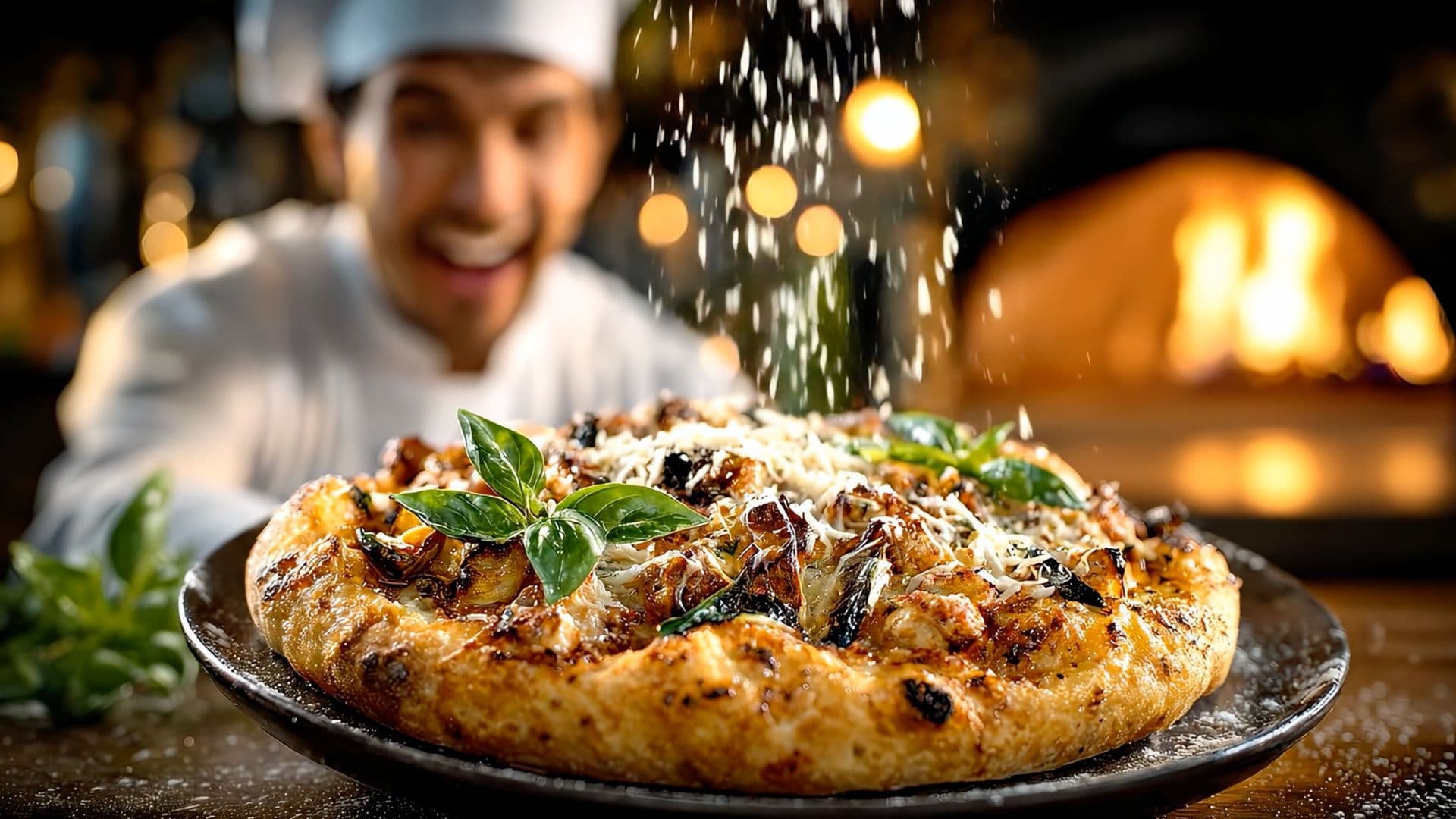
Understanding Consumer Perceptions of Premium Pizza Ingredients