Jasper Colin
Contracting and Evaluation of Digital Pathology Solutions
Healthcare

Contracting and Evaluation of Digital Pathology Solutions

In recent years, the adoption of digital pathology solutions has gained momentum across healthcare organizations. Digital pathology allows for the scanning, storing, and analyzing of pathology slides, improving diagnostics and facilitating remote consultations. However, the contracting process for these solutions, including both hardware and software components, is complex and varies greatly depending on the organization. This study explored insights into the contracting preferences and decision-making processes related to digital pathology solutions.

Objective

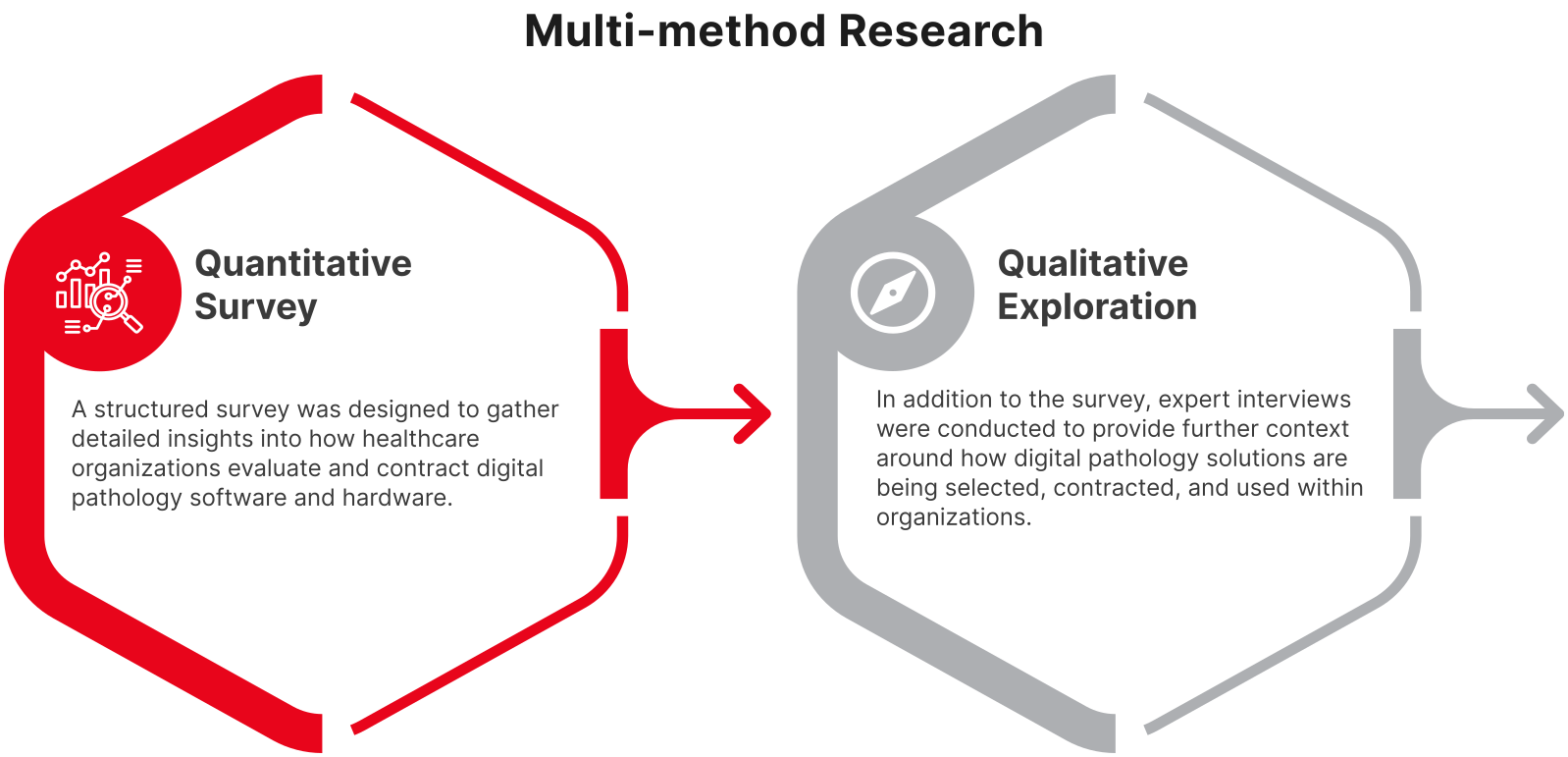
The client wanted to analyze the results from a survey of decision-makers and users involved in the procurement and contracting of digital pathology solutions. Key areas of focus include decision-making criteria, software licensing models, hardware procurement methods, and unmet needs within the current digital pathology solutions.

Methodology & Approach

Contracting and Evaluation of Digital Pathology Solutions.svg

Survey Insights and Key Findings

  1. Experience with Digital Pathology Contracting
    • Decision-Making Weight:
      • For the majority of respondents, software played a major role in the contracting decision, influencing more than 25% of the evaluation process. This was particularly true for those deciding between full solutions that combine hardware and software.
      • Vendor Experience: Philips Intellisite, Roche Ventana, and Leica Aperio were the leading vendors, with respondents indicating significant familiarity and regular usage of these platforms.
         
  2. Contracting Terms for Digital Pathology Solutions
    • Software Licensing:
      • Bundled Packages: A significant portion of organizations opted for bundled packages where software licenses were included with hardware and maintenance. However, a notable percentage also paid separately for software support, either annually or monthly.
      • License Duration: The most common license duration reported by respondents was between 1-3 years, with some organizations opting for perpetual licenses that do not require annual renewals.
         
    • Hardware Procurement Models:
      • Organizations displayed diverse preferences in hardware procurement. While 35% preferred upfront payments with annual maintenance fees, 30% chose leasing models where hardware rental and maintenance were bundled.
      • The range of costs for scanner hardware varied, with the majority of organizations spending between $50,000 and $200,000 on initial hardware purchases.
         
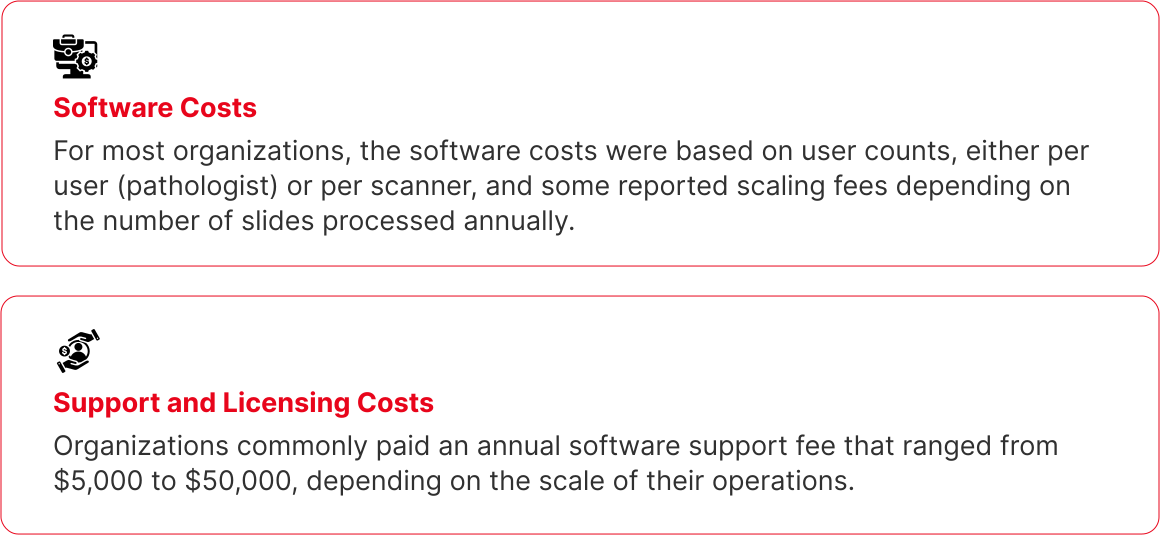
  3. Pricing Models and Cost Allocation

Contracting and Evaluation of Digital Pathology Solutions_1.svg

4.   Unmet Needs in Current Digital Pathology Solutions

  • Integration: The most frequently mentioned unmet need was better integration between digital pathology solutions and existing healthcare systems such as Electronic Medical Records (EMR) and Picture Archiving and Communication Systems (PACS).
  • AI and Analytics: Many organizations are increasingly interested in AI-driven tools for automated slide analysis, but there are concerns over the reliability of these systems in clinical settings.
  • Real-Time Tracking and Workflow Efficiency: There is a demand for more efficient workflow tools, particularly those enabling the real-time tracking of slides and specimens as they move through the lab process.

5.   Preferred Commercialization Models

  • Upfront vs. Annual Fees: Respondents were asked to weigh the benefits of paying for a digital pathology solution upfront versus through annual payments. Most respondents would require a discount of 10-30% on the total contract cost to justify paying upfront.
  • Annual/Monthly Software License Models: For many organizations, the idea of annual or monthly software licenses with the option for updates and upgrades was seen as a more viable option. Respondents indicated a willingness to pay approximately 20% more annually for access to updated software versions.

6.   Scenario Analysis : Software with 510(k) Clearance

  • When presented with a choice between two identical software solutions, one with 510(k) clearance and the other without- respondents were generally willing to pay a premium for the cleared software. The average reported willingness to pay as a premium was 15-25%, depending on the importance of compliance and regulatory standards for their specific use case.

Strategic Insights and Recommendations

  1. Software Features are Critical: The results emphasize that software features such as integration with existing systems, cloud storage, and AI-based analysis tools are major decision drivers. Digital pathology vendors should focus on offering software that not only meets basic functionality but also integrates seamlessly with broader healthcare IT systems.
  2. Flexible Pricing Models: Offering both upfront and annual payment options, with the ability to scale costs based on usage (e.g., number of users or slides scanned), will appeal to a wider range of customers, particularly those in smaller or budget-conscious organizations.
  3. AI Adoption is Growing but Needs Confidence: There is a strong interest in AI-powered solutions, but potential buyers are still cautious about their reliability in clinical settings. Vendors should invest in robust validation studies and provide clear evidence of AI’s effectiveness in real-world clinical applications.
  4. Integration and Workflow Automation: Improving integration capabilities with EMR and PACS systems, as well as enhancing workflow automation, will address some of the major unmet needs identified in the survey. Vendors should prioritize features that streamline the pathology workflow and ensure easy data exchange across platforms.
Featured
Case Studies
Healthcare

Health Policy Influencer Message Testing

Healthcare

Engaging Radiation Oncology Stakeholders for development of next-gen analytics platform

Healthcare

Contracting and Evaluation of Digital Pathology Solutions

Healthcare

Evaluating Cardiovascular IT (CVIT) Solutions in Healthcare Facilities

We use cookies to improve your browsing experience and to better understand how visitors use our website. By continuing to use this website, you consent to our use of cookies in accordance with our Privacy Policy

Contracting and Evaluation of Digital Pathology Solutions | Jasper Colin